Senate Passes Bipartisan Bill to Accelerate Energy Infrastructure Development
Key Takeaways
- The Senate passed the Bipartisan American Affordability and Jobs Act on Nov. 19 by a 62-33 vote.
- The bill sets a two-year target for major federal environmental reviews and calls for coordinated agency decisions and a permitting tracker.
- It aims to accelerate transmission development, limit the window for many permit challenges to 150 days and restrict permit revocations.
- Large data centers would be required to pay a greater share of transmission and grid upgrade costs tied to their electricity use.
- The bill now goes to the House, amid concerns about environmental protections, fossil fuel development and tribal sovereignty.
The U.S. Senate has passed bipartisan legislation intended to streamline federal permitting for major energy and infrastructure projects, potentially accelerating the development of transmission lines, power plants, renewable energy facilities and data centers. The Bipartisan American Affordability and Jobs Act passed the Senate Nov. 19 by a 62-33 vote and now moves to the House of Representatives for consideration.
The legislation aims to address lengthy permitting timelines that have delayed major infrastructure projects, particularly as electricity demand increases with the expansion of artificial intelligence and large data centers. Among its provisions, the bill would establish a two-year target for major federal environmental reviews, compared with an average of more than four years currently, according to the White House Council of Economic Advisers. It would also require federal agencies to coordinate permitting decisions and establish a permitting tracker to improve project oversight.
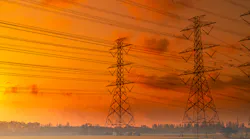
For the electrical industry, several provisions could have implications for future infrastructure development. The bill includes measures intended to accelerate the planning, siting and construction of new transmission lines, as well as upgrades to existing grid infrastructure. It would also establish a 150-day window for many legal challenges to project permits and limit circumstances under which federal agencies can revoke previously issued permits.
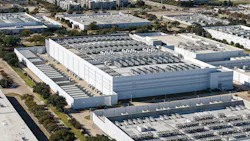
Another significant provision addresses the growing electricity demands of large data centers. Under the legislation, large computing facilities would be required to cover a greater share of the transmission and grid upgrade costs associated with their electricity consumption, rather than shifting those expenses to other utility customers.
Supporters argue that reducing permitting delays could help expand electricity supply, relieve transmission bottlenecks and lower energy costs for consumers and businesses. However, environmental organizations and some lawmakers have raised concerns that the changes could weaken environmental protections, accelerate fossil fuel development and limit opportunities for legal challenges. Tribal organizations have also expressed concerns about protections for tribal sovereignty, sacred sites and consultation requirements.
The legislation now faces consideration in the Republican-controlled House, where its passage remains uncertain. President Donald Trump has indicated he would sign the bill if Congress approves it. Until then, the proposed changes will not take effect.