When to Replace vs. Repair Aging Switchgear in Industrial Facilities
Key Takeaways
- Assess the overall condition of switchgear components to determine if repairs are sufficient or if replacement is necessary for long-term reliability.
- Consider failure frequency and downtime costs, especially in high-impact industries like automotive manufacturing, to choose the most cost-effective solution.
- Evaluate the availability of replacement parts and compatibility with current or future capacity needs to inform repair or replacement decisions.
- Ensure compliance with modern safety standards such as UL 891 and UL 1558 to maintain safety and insurability, influencing the choice toward replacement if needed.
- Balance upfront costs against long-term operational expenses by analyzing repair costs versus the benefits of replacing aging equipment for improved efficiency.
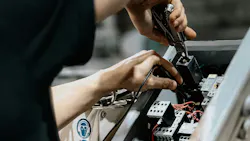
When switchgear starts to have problems, facility maintenance teams must decide whether to repair the failing components or replace them. Repair usually costs less and takes less time to execute, but it may not provide a complete solution. Replacement offers greater reliability and the ability to upgrade power capacity, but at a higher expense and typically longer downtime.
The choice depends on factors such as frequency of failure and age and condition of equipment. Electrical professionals must also consider regulatory compliance and the efficiency of the solution. With this guide from Dubak Electrical Group, they can better decide whether replacing the switchgear is more effective or if repairing it offers greater long-term benefits.
Equipment condition
The condition of the existing equipment may determine the repair or replace option. This calls for an inspection of the entire switchgear lineup, including the circuit breakers, switches, and fuses. If the existing structure is generally in good condition — with only a handful of breakers failing — it may make more sense to repair as needed. By comparison, if the entire bussing has to go, replacement could be a more practical long-term choice.
Frequency of failures
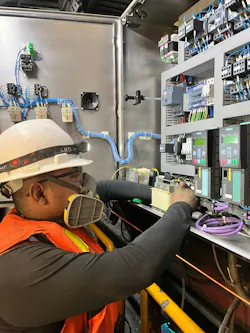
Frequent failures cost a lot of money in an industrial setting, which may require a more permanent solution. A 2024 report by Siemens estimates that unexpected downtime in a large automotive plant costs upward of $600 per second. Although not every industry faces the same kind of loss, regular interruptions delay production and cut revenue, all while overhead expenses continue. In short, if the system is constantly failing in one area or another, replacement may be the only realistic option.
Availability of replacement parts
As with other industries, switchgear manufacturers regularly discontinue old lineups in favor of newer product lines with innovative designs or greater efficiency. Parts are easier to replace in current lineups, which may make the repair option the appropriate choice.
Once the older equipment becomes unavailable from the manufacturer, however, it becomes a race to find available parts and qualified contractors to integrate them. Custom fabrication is certainly an option, but this approach tends to increase costs, along with the specialized industrial power contractors required to perform the upgrade and maintenance over time.
Capacity needs
Before making a choice about repair or replacement, plant facility personnel must evaluate existing capacity and the need for updates. If the facility supported by the switchgear does not require an upgrade, the team may not need to replace the bussing and other components that make minor repairs or adjustments more complicated. This consideration determines whether it is realistic to use the existing structure or calls for replacement with an entirely new one.
Compliance with modern safety standards
Maintaining regulatory compliance is a critical element of the safety and insurability of the operation. Teams typically rely on UL 891 or UL 1558 compliance standards, depending on the complexity of the switchgear and the industrial needs of the facility. If the facility needs to switch from UL 891 to UL 1558 compliance — due to a growing need for zero-downtime maintenance or increasingly complex electrical coordination — replacement with an OEM lineup may make it easier to earn the UL 1558 marking.
Solution efficiency
The efficiency of the solution affects the practicality of each decision, and it could go either way. When evaluating various factors, electrical professionals must consider how long it takes to provide the fix and how much downtime is needed for replacement. Teams may want to default to a full replacement down to the structure for various reasons, such as wanting to ensure UL marking or minimize downtime. A full replacement, however, may not be as efficient unless the new structure can fit into the existing space. A need to expand the physical area can contribute to longer downtimes, which must be factored into the final decision.
Upfront cost vs. cost over time
In general, repairing a few breakers or a switch tends to be cheaper than replacing the entire lineup. This assessment may lead teams to choose repairs every time — even when it no longer makes financial sense. Instead, looking at repair or replacement as a cost-effective measure may be more effective. Constantly making small, less-expensive repairs taxes repair teams and increases maintenance costs. In comparison, replacing the entire lineup might cost less over time while providing greater long-term efficiency.
Long-term reliability
Given the high cost of unplanned downtime, reliability is a key consideration. If the system is constantly failing — even in small ways, and even if the repairs are easy and quick to make — the entire facility grows wary in anticipation of the next disruption. Reliability is a critical element of operations, from the time in production to the ability to keep top talent contented in their jobs. Minor repairs or retrofits of circuit breakers are to be expected. Constant interruptions, on the other hand, create a situation that is probably better solved by replacement.
Dealing with failing switchgear requires an analysis of the practicality of repairing or replacing it. By considering the cost, effectiveness, and efficiency of the decision, facility managers can make an informed decision.
About the Author
 Nicole Drougas
Nicole Drougas
Nicole Drougas is Marketing & Commercialization Executive at Dubak Electrical Group. She has been with the company for nine years. Drougas also serves as an industry ambassador and client market leader who is passionate about her work and company.