Selecting The Right Motor Control Centers for Mechanical Applications
Key Takeaways
- MCCs consolidate electrical components, providing centralized control and protection for multiple motors, which enhances safety and operational efficiency.
- Key factors in selecting an MCC include industry standards compliance, environmental conditions, load requirements, scalability, and integration capabilities.
- Proper MCC selection leads to easier troubleshooting, reduced downtime, energy savings, and a safer working environment, ultimately supporting long-term facility productivity.
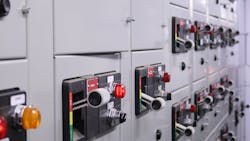
Motors drive the equipment that keeps production moving in any industrial or mechanical operation. Managing those motors effectively requires wiring them to power sources — and also calls for a structured system that can protect and control them. That’s the role of a motor control center (MCC).
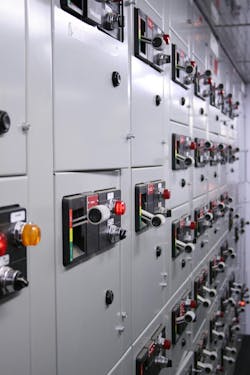
MCCs consolidate electrical components (motor starters, circuit protection, and control devices) into one central unit, providing a safer and more efficient way to handle multiple motors in a facility.
Selecting the right MCC for your facility means looking beyond the basics. Consider factors such as load requirements and environmental conditions. It also requires you to ensure compliance with industry standards and stay within a budget.
These factors all influence long-term performance and safety while also providing better cost efficiency for your business.
What does a motor control center do?
An MCC serves as the main hub for managing multiple electric motors in one location rather than separately. It’s responsible for controlling and distributing power to motors that keep your equipment running smoothly while also protecting motors from damage and reducing hazards. MCCs include several components, such as:
- Motor starters
- Circuit breakers
- Variable-frequency drives (VFDs)
- Other control devices
All these components work together to keep motors functioning safely and with better efficiency overall.
Many industries use MCCs. Examples include manufacturing, oil and gas, water treatment, HVAC, and material handling. Centralizing motor management offers facilities within these industries a reliable, streamlined way to maintain productivity and keep operations and processes on track.
Benefits of using MCCs in your facility
Here are reasons to consider utilizing MCCs:
- Management and monitoring in one place. MCCs offer a centralized way to oversee management remotely for some or all motors in a facility as needed. This helps reduce the need for installing and maintaining extra equipment throughout buildings, such as running extra wiring.
- Better safety. These enclosures come with their own protective measures, keeping motors, bus ducts, and other connected equipment, and staff safe. These built-in features help lower the risk of electrical-related hazards that may result in dangerous or costly accidents.
- Easier troubleshooting and maintenance. Having a main hub for managing motors helps simplify maintenance, enhancing the ability to keep all components and equipment in optimal condition. MCCs also make it easier to detect problems early and address them right away, reducing the need for repairs and downtime.
Greater efficiency.
- MCCs help improve motor performance, resulting in more efficient energy use via VFDs and other devices.
Factors to consider when choosing an MCC
Industry standard compliance. Selecting an MCC that meets industry standards and ratings, along with any applicable regulations, ensures compliance. A few organizations set requirements or provide ratings for performance and safety in different conditions, such as::
- National Electrical Manufacturers Association (NEMA)
- National Electrical Code (NEC)
- American National Standards Institute (ANSI)
- International Electrotechnical Commission (IEC) for international compatibility
Short-circuit protection. Sudden faults can result in motor failure or other damage and disrupt operations. Choosing an MCC with protective devices that guard against short circuiting, such as fuses, relays, and circuit breakers, helps reduce these risks.
Integration capabilities. Consider the demands of individual motors and overall facility load when choosing an MCC. This helps ensure that it can handle peak operating conditions without becoming overheated or overloading. Selecting the right size reduces risks, such as premature wear and tear and unexpected failures.
Load requirements. Consider the demands of individual motors and overall facility load when choosing an MCC. This helps ensure that it can handle peak operating conditions without becoming overheated or overloading. Selecting the right size reduces risks, such as premature wear and tear and unexpected failures.
Scalability. Keep operational needs and business growth in mind for MCC selection. A motor control center that meets current operating conditions may not be able to handle increases or expansions, resulting in the need to replace it. To avoid this, choose an MCC design that offers scalability as conditions shift, such as modular designs.
Environmental conditions. MCCs vary in terms of the environmental factors they’re built to withstand. Depending on facility type, you may need to consider conditions, such as:
- Dust
- Humidity and moisture exposure
- Temperature
- Chemical exposure
- Vibration
Look for an MCC that has the appropriate NEMA rating for enclosures to ensure protection against environmental hazards. This helps lower the risk of damage or failure, while also keeping maintenance costs lower and protecting staff.
Basic and advanced control options. Consider facility needs when determining which types of control options an MCC must have. Basic options, such as on/off starters, may be suitable when straightforward motor operation is needed. But advanced options, such as digital monitoring and remote access, may offer more convenience while also enhancing efficiency and performance.
Initial and life-cycle costs. Choosing an MCC with a budget in mind involves more than comparing upfront pricing. Factor in maintenance, energy usage, and other life-cycle costs. A lower initial cost may result in higher costs over time due to higher energy consumption or incorrect sizing that causes more wear and tear. Investing in an MCC with advanced features and capabilities may help offset the initial cost and provide years of reliable performance.
Improved safety, efficiency, and cost savings
Selecting an MCC that’s suitable for your facility may not be a quick decision. But taking the time to choose based on key factors and considerations helps ensure you install a motor control center that fits your facility’s needs — from environmental conditions and load requirements to your budget. The result is a safer working environment and increased productivity — along with cost savings.
About the Author
Elizabeth Whelan
Elizabeth Whelan joined Current Midwest in 2018 as marketing manager. Before Current Midwest, she honed her skills as a marketing specialist at Richardson RFPD, a division of Arrow Electronics. During her decades-long business career, Whelan managed hundreds of quantitative and qualitative marketing research projects. In addition to completing her certification in Digital Marketing from Columbia Business School’s Executive Education program, she received a B.S. from Indiana State University and an M.A. from Aurora University.